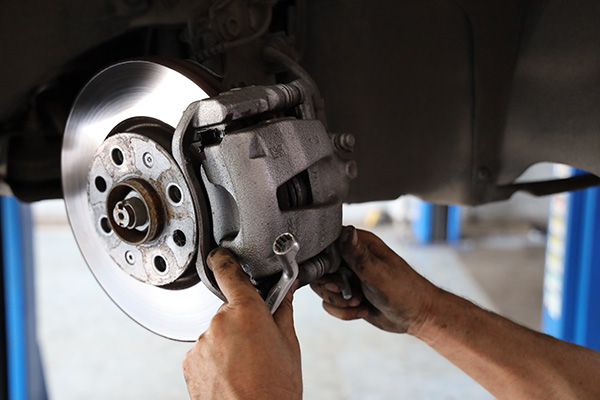
A little brake squeak can make you wonder if something is about to fail or if it is just an annoyance. Some noises are harmless side effects of how modern brakes are built, while others are early warnings that the pads, hardware, or rotors need attention. Learning how to tell the difference can save you from guessing and from waiting too long on a real problem.
Why Brakes Start to Squeak in the First Place
Brake pads create friction against the rotors, and that friction can easily turn into sound. When the pad surface and rotor vibrate at certain frequencies, you hear that as a squeak or chirp. Moisture, light surface rust, and even the type of pad material all play a role.
As parts wear, clearances change, and hardware loosens slightly, which can give those vibrations more room to develop. That is why a brake system that was quiet for years can start to sing or chirp as the miles add up, even if the car still stops well.
Normal Brake Noises You Can Expect
Some brake noises are annoying but usually not urgent. A light squeal on the first few stops on a damp morning, for example, often comes from a thin film of rust on the rotors. It usually fades after a couple of normal stops once the pads clean the rotor surface.
Certain performance or ceramic pads are also more likely to squeak lightly at low speeds, especially when backing up or creeping in a parking lot. As long as the noise is brief, the pedal feels solid, and there is no vibration, this kind of minor squeak can often wait until your next regular inspection.
Brake Squeaks That Usually Mean Trouble
Other squeaks are the brake system asking for attention. You should take them more seriously if you notice things like:
- A high, steady squeal every time you brake, at almost any speed
- A chirping or squealing that gets faster as the wheels turn and never really goes away
- A squeak that is joined by a grinding or scraping sound after a few weeks
- One wheel that is much hotter than the others after a drive, along with a smell
Many pads have built-in wear indicators that make a sharp squeal once the material is getting thin. If that sound is consistent, our technicians usually treat it as a sign that the pads are nearing their limit rather than as background noise.
Simple Checks You Can Safely Do at Home
You do not have to tear the car apart to gather useful information before you bring it in. A few quick checks can help describe what is happening:
- Notice when the squeak happens most: light stops, hard stops, only in reverse, or all the time.
- Look through the wheel openings with a flashlight and see if there is any pad material left, or if metal looks very close to the rotor.
- After a short drive, carefully feel near the wheels (without touching hot metal) to see if one area feels much hotter than the others.
- Watch for a brake warning light on the dash or any message about the pads or wear sensors.
- Pay attention to whether the steering wheel or pedal vibrates when you brake, or if the noise is the only symptom.
Sharing these details with us helps narrow things down so we can get to the real cause faster.
Owner Habits That Make Brake Squeaks Worse
Everyday driving style has a lot to do with how soon squeaks show up. Frequent hard stops, tailgating, and riding the brakes downhill can heat pads and rotors enough to glaze the surfaces, which often leads to squealing. Letting the car sit for long periods in damp or salty conditions gives rust more time to build on the rotors.
Putting off inspections once you start hearing a warning squeal lets pads wear right down to their backing plates. At that point, the sound usually turns from a squeak into a grind, and the rotors are often damaged. We have seen many drivers who could have had a straightforward pad replacement if they had come in a few weeks earlier.
When A Brake Squeak Becomes A Safety Concern
A brake squeak becomes a real concern when it is constant, clearly getting worse, or paired with other changes in how the car feels. If the vehicle pulls to one side when you stop, the pedal feels soft or spongy, or you feel a strong vibration at highway speeds, it is time for a closer look. Loud scraping or grinding is a sign to schedule a visit soon rather than waiting for the next service reminder.
Any noise combined with a brake warning light or a low brake fluid level should be treated as more than just an annoyance. Brakes rarely fix themselves, and the sooner the cause is found, the better your chances of avoiding rotor damage, caliper problems, or longer stopping distances.
Get Brake Squeak Diagnosis in Merritt Island, FL, with Inmon Automotive
We can inspect your pads, rotors, calipers, and hardware to pinpoint exactly why your brakes are squeaking and whether it is minor or serious. We explain what we find in plain terms and walk you through the repair options that restore quiet, confident stopping.
Call Inmon Automotive in Merritt Island, FL, to schedule a brake check and get that squeak handled before it turns into a bigger problem.