Florida does not get the kind of winter weather drivers deal with farther north, but cooler mornings still change how a car behaves. Batteries lose some starting strength, tire pressures drop, rubber parts stiffen, and small ignition problems that went unnoticed during summer can become easier to feel.
A fall tune-up is a good chance to catch those weaknesses before the weather changes. It is less about preparing for snow and more about making sure the engine starts cleanly, runs efficiently, and handles the temperature swings that come with cooler mornings around Merritt Island.
1. Test the Battery and Charging System
Hot Florida summers are especially tough on batteries. High under-hood temperatures speed up internal battery deterioration, and the damage can stay hidden until cooler weather reduces the battery's available cranking power.
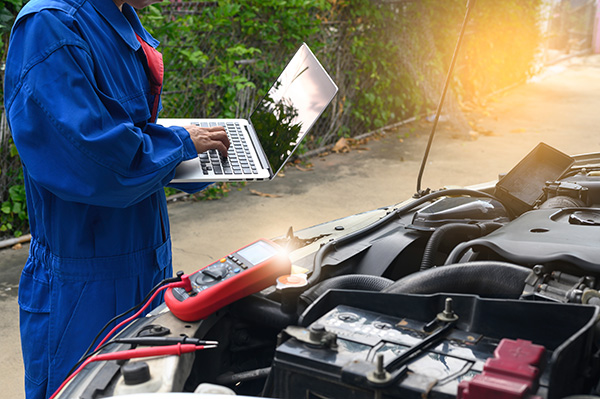
We test battery condition instead of judging it by whether the engine still starts today. A proper test can reveal weak reserve capacity or low cranking performance before you wake up to a no-start morning. We also check charging voltage and battery connections because a good battery cannot do its job with loose or corroded terminals.
2. Check the Spark Plugs and Ignition System
Worn spark plugs can make an engine harder to start and less responsive, especially as temperatures drop overnight. As the plug electrodes wear, the gap grows, and the ignition coils have to work harder to fire them.
During an inspection, we consider mileage, service history, misfire data, and how the engine behaves when cold. If the plugs are due, replacing them on schedule helps prevent rough starts, hesitation, and unnecessary strain on the ignition coils. A tune-up should address actual wear rather than replace ignition parts without a reason.
3. Inspect Belts and Tensioners
Months of Florida heat can harden serpentine belts and weaken the rubber even when the belt still looks fairly good from above. Cracks, glazing, frayed edges, and missing rib material tell us the belt has been through enough heat cycles.
We also check the tensioner and pulleys. A weak tensioner can let the belt slip during startup, while a rough pulley bearing can create squealing or chirping as temperatures change. Replacing only the belt will not solve a problem caused by poor tension or a failing bearing.
4. Check Coolant Condition and Engine Temperature
The cooling system works hard through a Florida summer, and cooler weather does not mean it can be forgotten. Coolant still has to protect against corrosion, carry heat efficiently, and help the engine stay at the correct operating temperature.
We look for low coolant, dried residue around connections, hose deterioration, and signs of leaks around the radiator, water pump, and thermostat housing. The thermostat deserves attention too. If it sticks open, the engine can take too long to warm up, and cabin heat can feel weak on cooler mornings.
5. Inspect Tires and Correct the Pressure
Tire pressure drops as outside temperature falls. A tire that was already slightly low during warm weather can end up noticeably underinflated after the first stretch of cooler mornings.
Low pressure increases tire flex, affects handling, and can accelerate shoulder wear. We set pressures according to the vehicle specification and check the tread condition at the same time. Uneven wear can point toward an alignment or suspension problem, while shallow tread becomes more noticeable on wet Florida roads.
6. Replace Dirty Engine and Cabin Air Filters
Air filters are easy to overlook because they usually do not cause a sudden breakdown. Still, both filters affect performance and driving comfort.
A heavily restricted engine air filter can limit airflow, while a clogged cabin filter reduces air coming through the heater, A/C, and defroster vents. Florida pollen, dust, leaves, and road debris can load cabin filters faster than drivers expect. If the defroster already feels weak, checking the filter before cooler mornings arrive makes sense.
7. Check Fluids, Wipers, and Basic Safety Items
A useful tune-up includes more than engine parts. We check fluid levels, exterior lights, windshield washer operation, and wiper condition because drivers depend on these when mornings get darker or rain reduces visibility.
Regular maintenance is also the right time to look for small fluid leaks before they become larger ones. Engine oil, brake fluid, transmission fluid where serviceable, and power steering fluid on vehicles that use it all deserve attention. A cracked wiper blade or burned-out brake light is inexpensive to fix when you catch it early.
Get Fall Tune-Up Service In Merritt Island, FL, With Inmon Automotive
If your vehicle has been through another long Florida summer, Inmon Automotive in Merritt Island, FL, can check the battery, ignition system, belts, fluids, tires, filters, and other key items before cooler weather settles in.
Schedule your fall tune-up and follow us on Facebook for shop updates, maintenance reminders, and automotive tips.